

After more than 20 years break Onimusha returned with Way of the Sword.Capcom retained Gemma, the red souls, the Oni Gauntlet and Isen, but significantly expanded the combat system and the locations themselves.At the beginning, Musashi only knows basic techniques.Later, new defense options, counterattacks, and Oni abilities appear.
Because of this, the first hours only give a general idea of the battles.The real rhythm comes later, when the game starts mixing up different types of enemies and requires you to change moves at the right time.
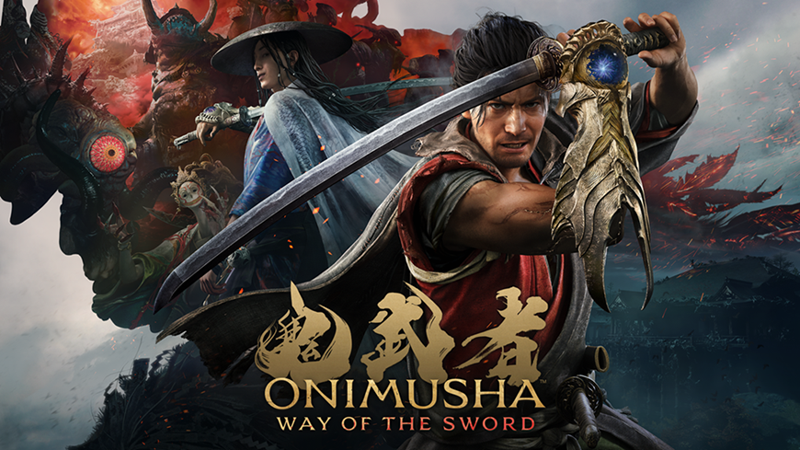
Parries, deflects and Isen work differently
In fights, it is important to monitor the enemy’s moveset and catch the timing.A normal parry leaves more time to react.Deflection requires precision.Isen is even more risky, but allows you to immediately carry out a powerful counterattack.
As he progresses, Musashi gains more offensive and defensive techniques.Enemies also become more dangerous: some crush you with a series of blows, others attack from a distance or force you to change position.Therefore, the habit of responding to everything with one parry quickly stops working.
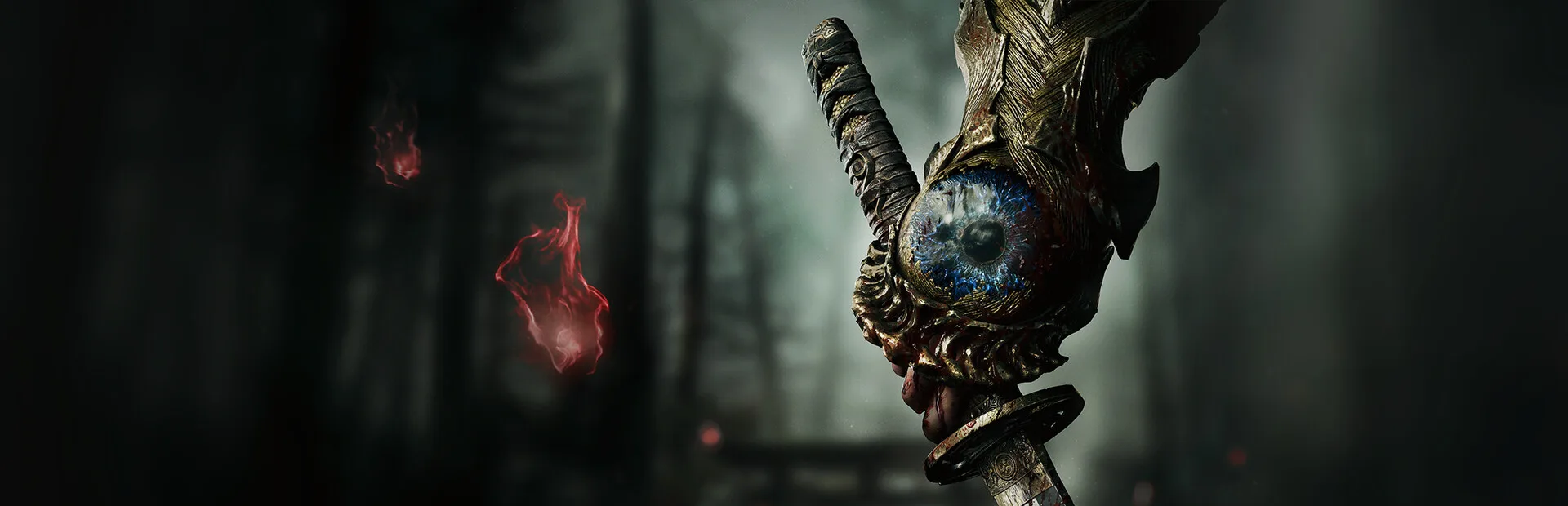
After a quiet start, the game increases the difficulty noticeably
The first opponents give you time to get used to the controls and timings.Later, the game brings together several types of Gemm, adds dangerous series of attacks and tests knowledge of defensive techniques more often.Bosses punish especially harshly for trying to simply click on the enemy.
By the middle of the campaign, parries, deflections and Isen already have to be combined.Some episodes are noticeably more complex than the introduction, so the transition may seem abrupt.The highest difficulty level is unlocked after completing the main campaign.
Kyoto is not an open world
Way of the Sword retains the mission structure, but allows you to explore areas of Kyoto between story missions.Here you can search for materials, take on additional assignments and open new passages.
Research is related to leveling.To improve equipment and abilities, resources are needed, so some materials have to be found in locations or obtained through additional activities.Red souls are also used for development.
This approach gives a reason to deviate from the main route, but at the same time slows down the pace.After a stressful boss, the game may send Musashi to collect materials or complete a side objective.This is where the modern structure differs most from the more compact old Onimusha.
Musashi from history ended up in dark fantasy
Miyamoto Musashi existed in reality, but Way of the Sword does not retell his biography.In the game, the legendary samurai fights Gemma and uses the supernatural powers of the Oni.
In the beginning, Musashi relies primarily on his own skill and does not seek to embrace the power of the Oni.As the story progresses, his attitude towards the glove changes.The development of the hero is therefore also connected with mechanics: abilities They gradually become a full-fledged part of his arsenal.
Onimusha works best in battles
Way of the Sword is easily recognized by Gemma, Soul Absorption, Oni Gauntlet, and Isen.At the same time, Capcom added spacious areas, leveling up equipment, collecting materials and side quests.Not all of these elements maintain tempo equally well.
The game is at its strongest in fights, when you need to read the enemy’s attacks, choose between parrying and deflecting, and seize the moment for Isen.Collecting resources and some of the side activities look less convincing because they take away from this combat system.
Capcom sold over a million copies of Way of the Sword in its first day, bringing the series' total sales to over 10 million.But for Onimusha itself, something else is more important: after a long break, the series has returned with a combat system that retains familiar mechanics and at the same time feels like a modern action game.
Sign in or create an account to leave a comment.
Be the first to share your thoughts.