

Tokyo Game Show 2026 has ended, leaving behind not just one high-profile premiere, but several notable trends at once.Japanese publishers are increasingly confident in making their releases global from day one, Western companies are strengthening their presence in the Asian market, and the boundaries between traditional platform ecosystems continue to blur.At one exhibition, large single games, service projects, PC releases and new versions for Switch 2 coexisted.
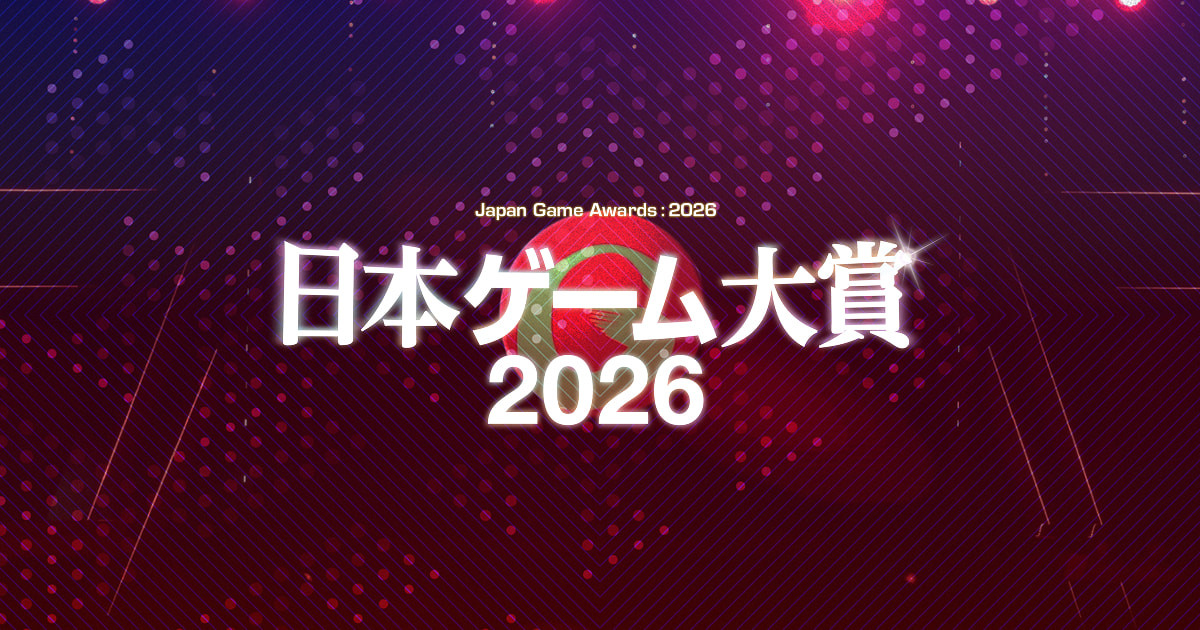
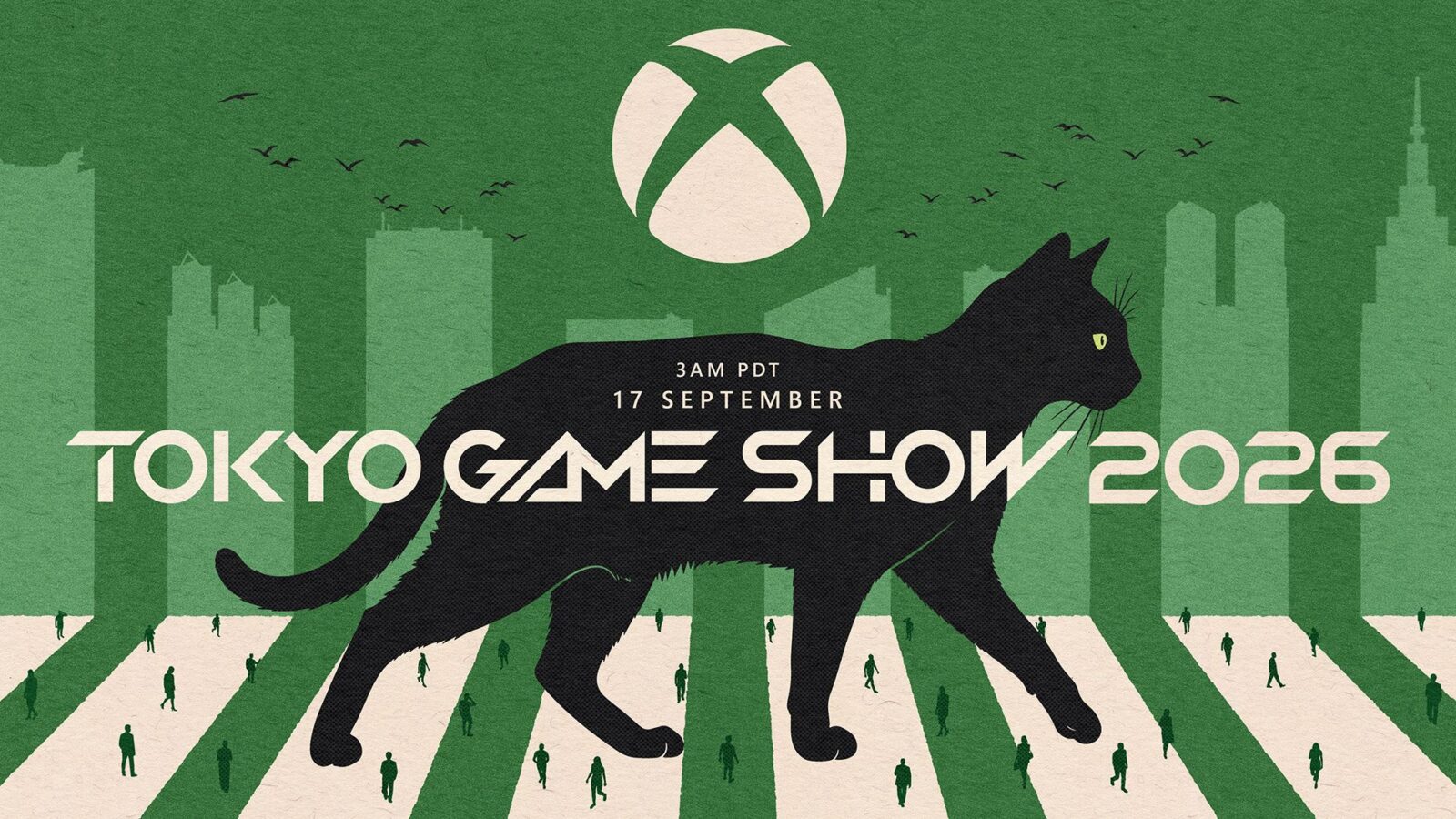
It's especially noticeable how the role of Xbox has changed in Japan.Microsoft announced a separate TGS broadcast in advance: Xbox broadcast at Tokyo Game Show, and in parallel continued the restructuring of its own studios and publishing units: Xbox strategy overhaul.The company is trying to speak to the audience not only through the console, but also through PC, cloud and Game Pass.
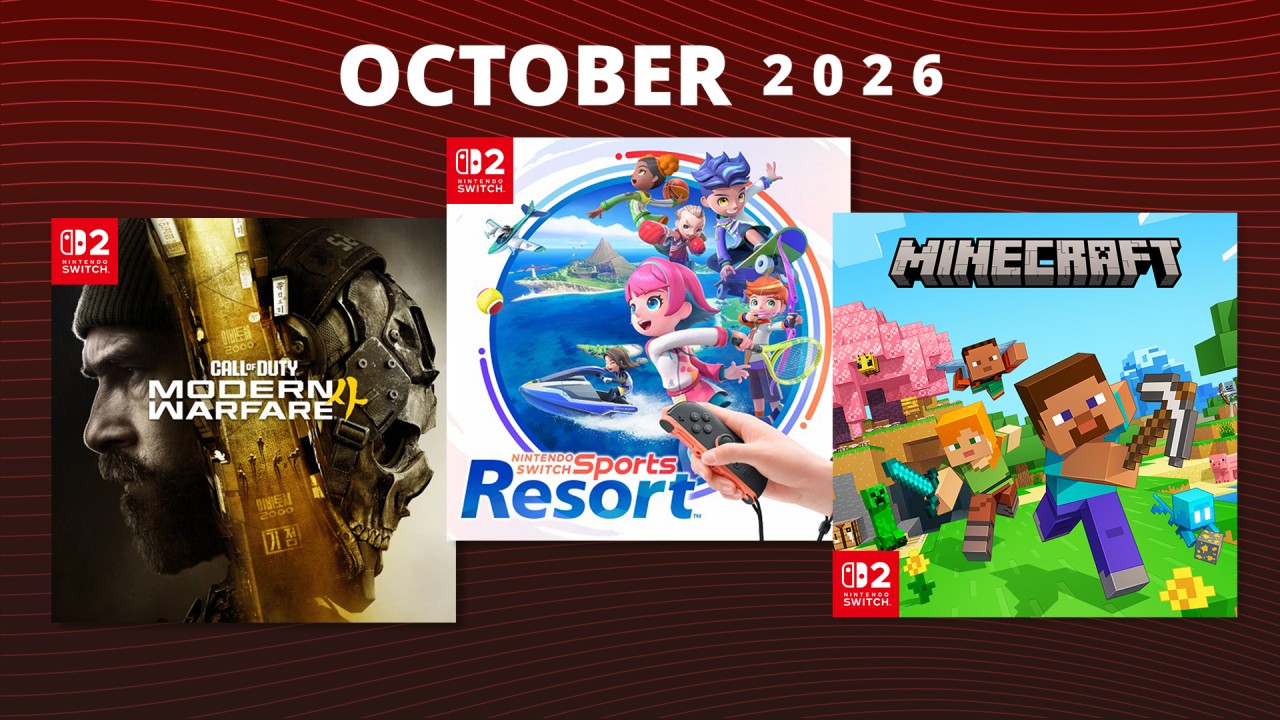
Nintendo, in turn, is using the Switch 2's first full fall season to quickly expand its library.Large third-party games are becoming no less important for the platform than their own releases.Capcom continues to support Monster Hunter, Onimusha and Mega Man simultaneously, while Square Enix and other Japanese publishers are increasingly planning multi-platform launches in advance.
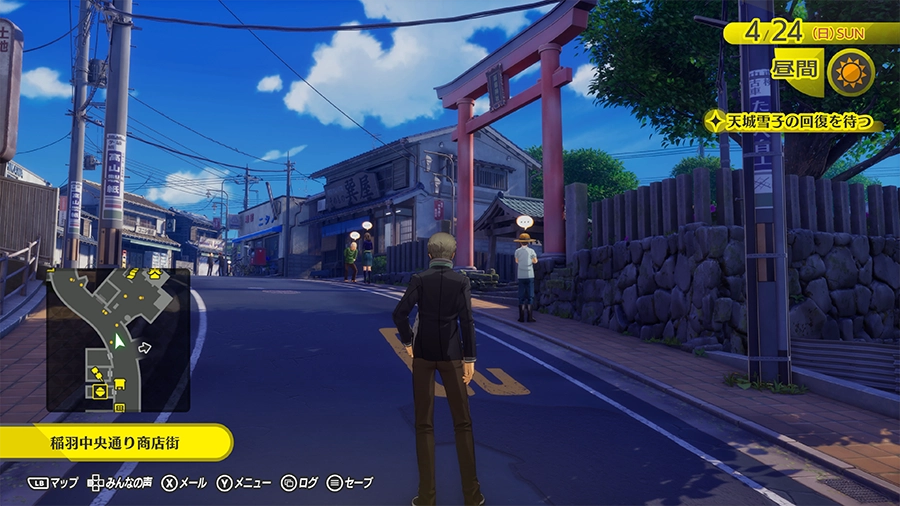
The main result of TGS is that the market is becoming less isolated.Exclusivity remains a tool, but more and more publishers are looking at audiences across multiple devices.For players, this means more ports and purchasing options, and for platform holders, tougher competition not only for the sale of hardware, but also for time within the ecosystem.


Sign in or create an account to leave a comment.
Be the first to share your thoughts.