
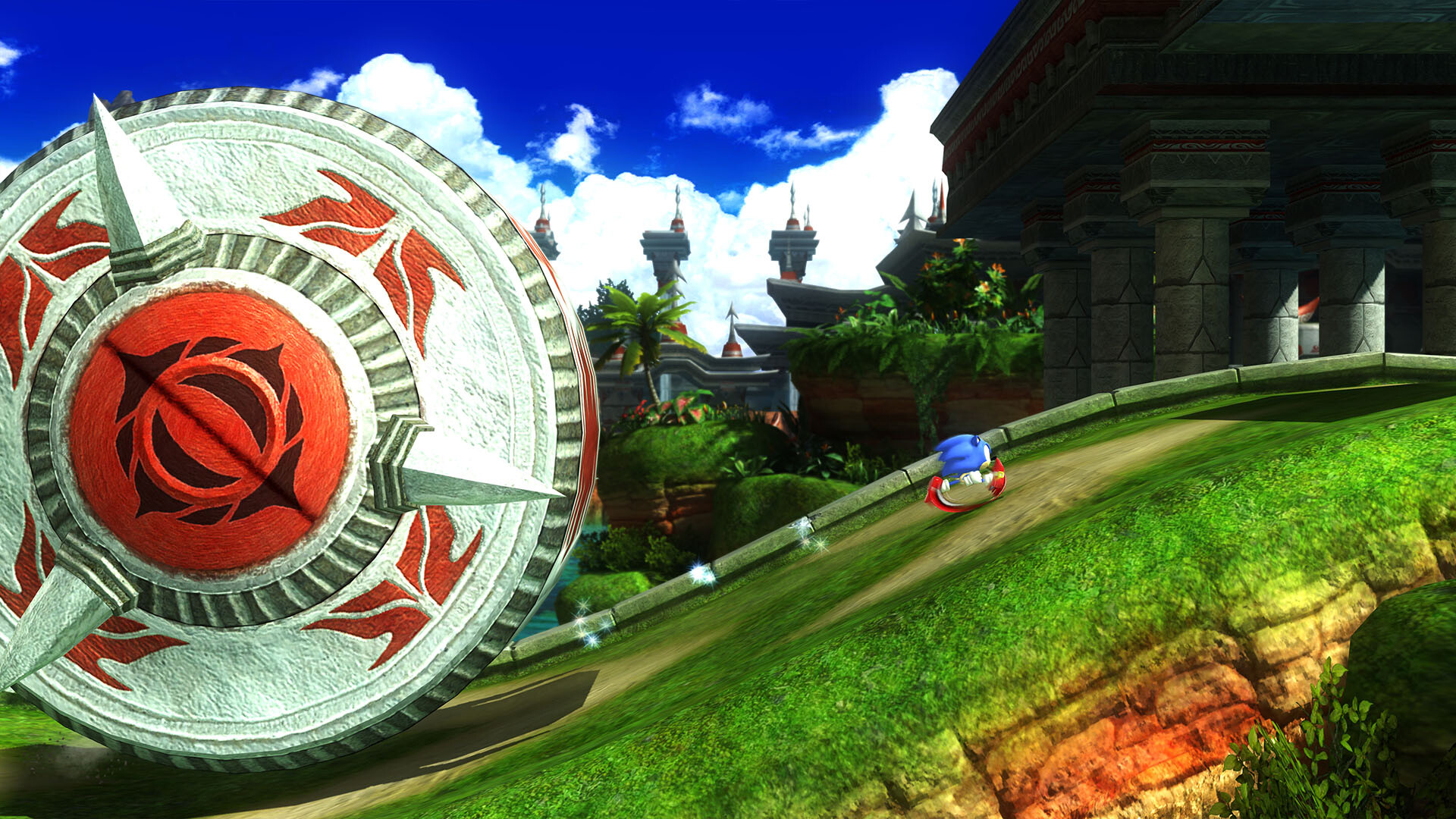
The head of Sonic Team, Takashi Iizuka, said that before the release of the first Sonic the Hedgehog film, Sega was considering a much more radical scenario than another reboot: the termination of the entire game series.According to him, the success of the film adaptation changed the company’s attitude towards the brand and showed that the audience is noticeably wider than the usual range of players.
We are talking specifically about Iizuka's story about Sega's internal discussions, and not about the previously published official closure plan.Still, the Sonic Team exec's language is important: He says the film "definitely changed the course" of the franchise.
The film turned Sonic into a broader brand
The first film adaptation survived the scandal with Sonic's original design, received a redesigned appearance of the hero, and ultimately became a commercial success.After that, Paramount released sequels, and Sega began to actively connect games, movies, animation and products around one brand.

The gaming part has also changed.Sonic Frontiers expanded the familiar formula with open-ended zones, Sonic Superstars returned to a 2D structure, and Sonic X Shadow Generations combined a remaster of the old campaign and a new Shadow story.In this context, Iizuka's words explain why Sega is now allowing the series to try multiple formats at once.
Sega continues to bring its series to the screen
The company didn't limit itself to Sonic.Netflix and Sega recently announced film adaptations of Crazy Taxi and STRANGER THAN HEAVEN, as well as a new animated project based on Sonic.We wrote more about this cooperation in the material about the agreement between Sega and Netflix.
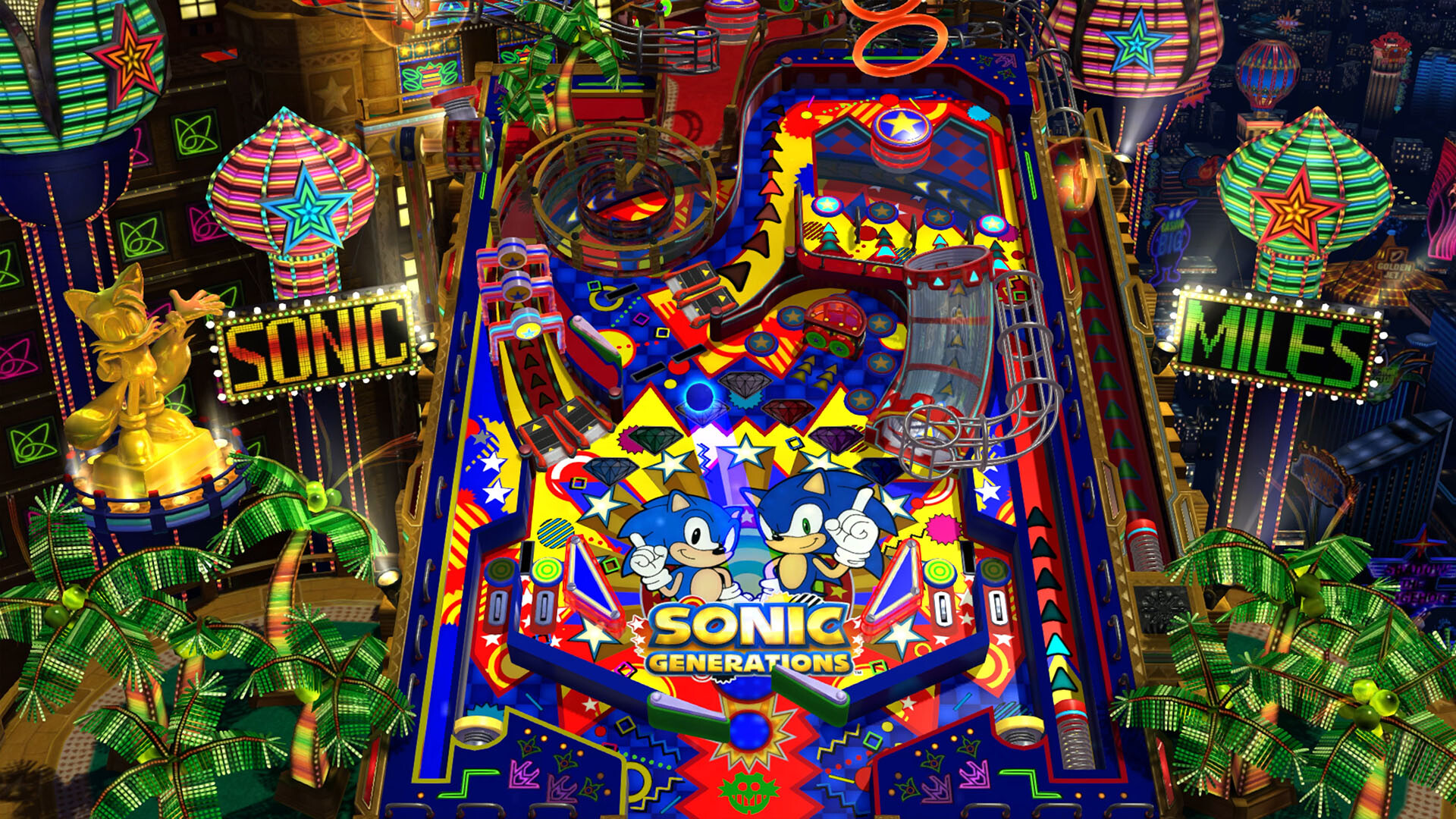
For Sonic Team itself, this means that the series is no longer dependent on the success of one specific game.Movies, animation and merchandise create separate audiences, but Iizuka emphasizes the opposite effect: it was cinema that helped preserve the space for new games.

Sign in or create an account to leave a comment.
Be the first to share your thoughts.