
OpenAI CEO Sam Altman explained why he believes it is wrong to keep RAM in home computers.He said this on the Cheeky Pint podcast, hosted by Stripe co-founder John Collison.The conversation was about running neural networks locally: many enthusiasts run open-source models on their PCs so as not to depend on the cloud.
From a global distribution perspective, it's pretty terrible that everyone has a chunk of the world's limited supply of DRAM in their computer that is used 5 percent of the time.If you work in conditions of severe shortage, you need maximum load in the cloud.
The logic is simple.Memory in a data center works around the clock and serves thousands of clients, while in a home PC it spends most of the day waiting for the owner to launch a game or browser.Western journalists noticed that Altman defends his company’s business model: its models are closed and work only in the cloud.In addition, it only takes into account AI, and gamers, editors and programmers need memory for work and games.
The irony is that OpenAI itself became one of the main reasons for the shortage.In October 2025, the company agreed with Samsung and SK Hynix to supply up to 900 thousand DRAM wafers per month for the Stargate project, about 40 percent of global production.A 32 GB DDR5 kit, which cost about $100 in mid-2025, is now selling for $450 or $500, about 36 or 40 thousand rubles.
Gamers online disagree with Altman.One commenter compared it to being told by a taxi salesman that you shouldn't be allowed to own your own car.Another noted that talking about the lack of resources while earning billions is not as convincing as it seems.AI-driven memory deficits are projected to worsen in 2027.
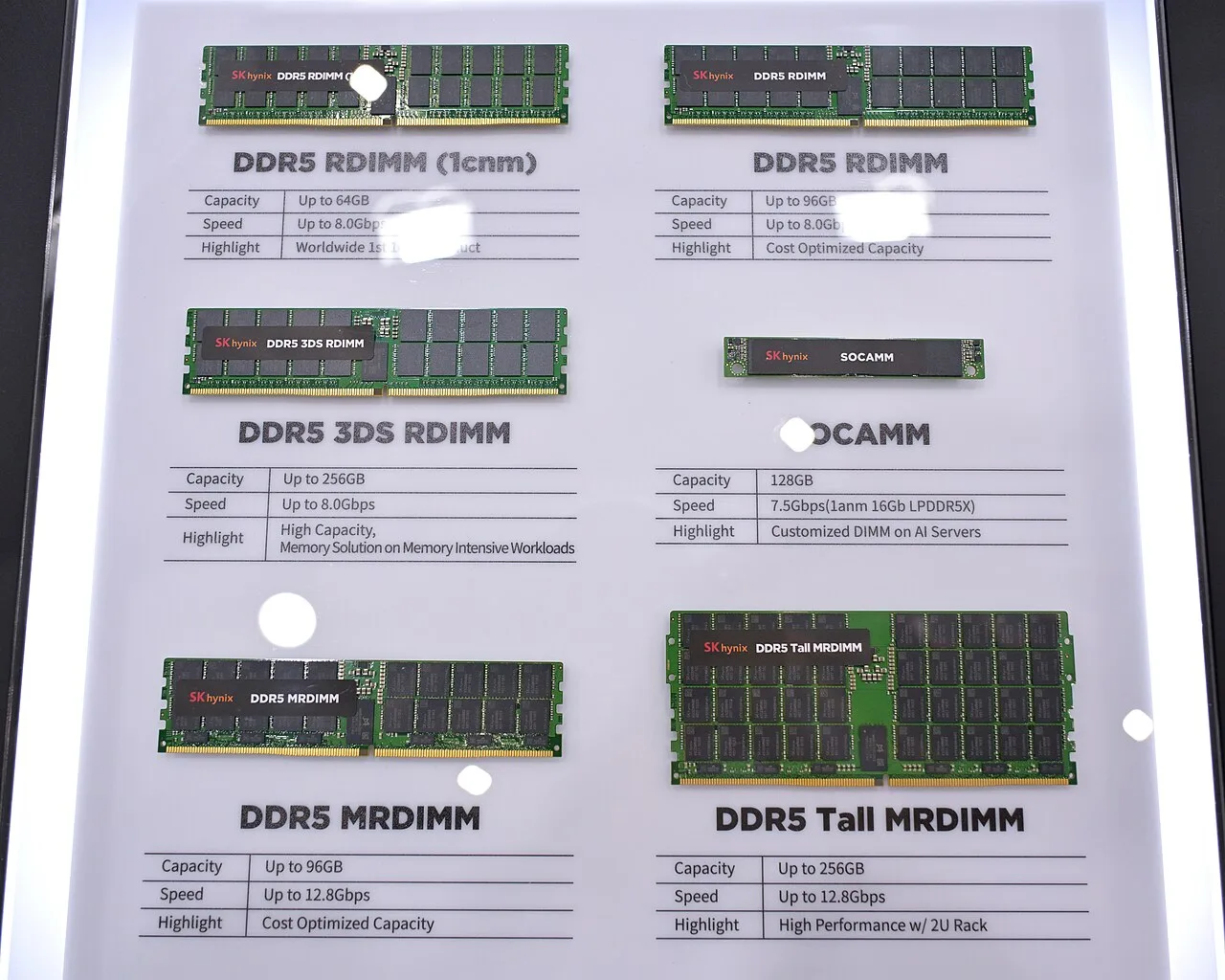
Photo: SK Hynix DDR5, Wikimedia Commons, CC BY 4.0 license.



Sign in or create an account to leave a comment.
Be the first to share your thoughts.